Data collection for study: Ongoing Publication date: November 2015
Aim:
To identify and explore avoidable and remediable factors in the process of care for patients with known or suspected sepsis.
Objectives:
Based on the key areas identified by the expert group, the objectives of this study are as follows:
To examine organisational structures, processes, protocols and care pathways for sepsis recognition and management in hospitals from admission through to discharge or death;
To identify avoidable and remediable factors in the management of the care for a sample of adult patients with sepsis, throughout the patient pathway from presentation to primary care (if applicable) throughout secondary care to discharge or death, focusing on the following areas of care:
Evaluation of systems and processes that are in place to facilitate timely identification, escalation and appropriate treatment of infection, including transfer to high dependency and intensive care units where appropriate;
Examining the recognition of sepsis and early signs of septic shock across the entire patient pathway from onset of acute illness recognisable as sepsis through to admission to definitive clinical area (e.g. intensive care)
Investigating the appropriate management of established severe infection
Reviewing whether there was multidisciplinary team approach
Assessing adequate communications with families and carers, as can be obtained from the case notes
Examining the management of the ‘acute’ end of life pathway and ceilings of treatment
Study population:
Adult patients (16 years or older) diagnosed with sepsis who are seen by the critical care outreach team (or equivalent) or that are admitted directly to critical care during the study period: 6th – 20th May 2014.
Exclusions:
Immunosuppressed neutropaenic patients on chemotherapy, immunosuppressant drugs or transplant programmes.
Pregnant women up to 6 weeks post-partum (covered by MBRRACE-UK sepsis study)
Patients on end of life care pathway at time of diagnosis or consultant-led decision made not to escalate (prior to entry into the study)
Patients that develop sepsis after 48 hours on ICU/HDU
Children <16 years
Data collection:
Cases will be identified prospectively for this study. Study contacts will be set up (by NCEPOD Local Reporters) in critical care and on the critical care outreach team who will identify cases of patients with sepsis during the study period (6th – 20th May 2014) through the completion of the ‘case ID spreadsheet’ spreadsheet.
We will ask for the spreadsheets to be returned as soon as possible after the end of the 2 week study period. To identify cases to us for inclusion in the study, please see the spreadsheet instructions.
Data will then be collected retrospectively via a clinician questionnaire and case note extracts which will be reviewed by a multidisciplinary group of Advisors.
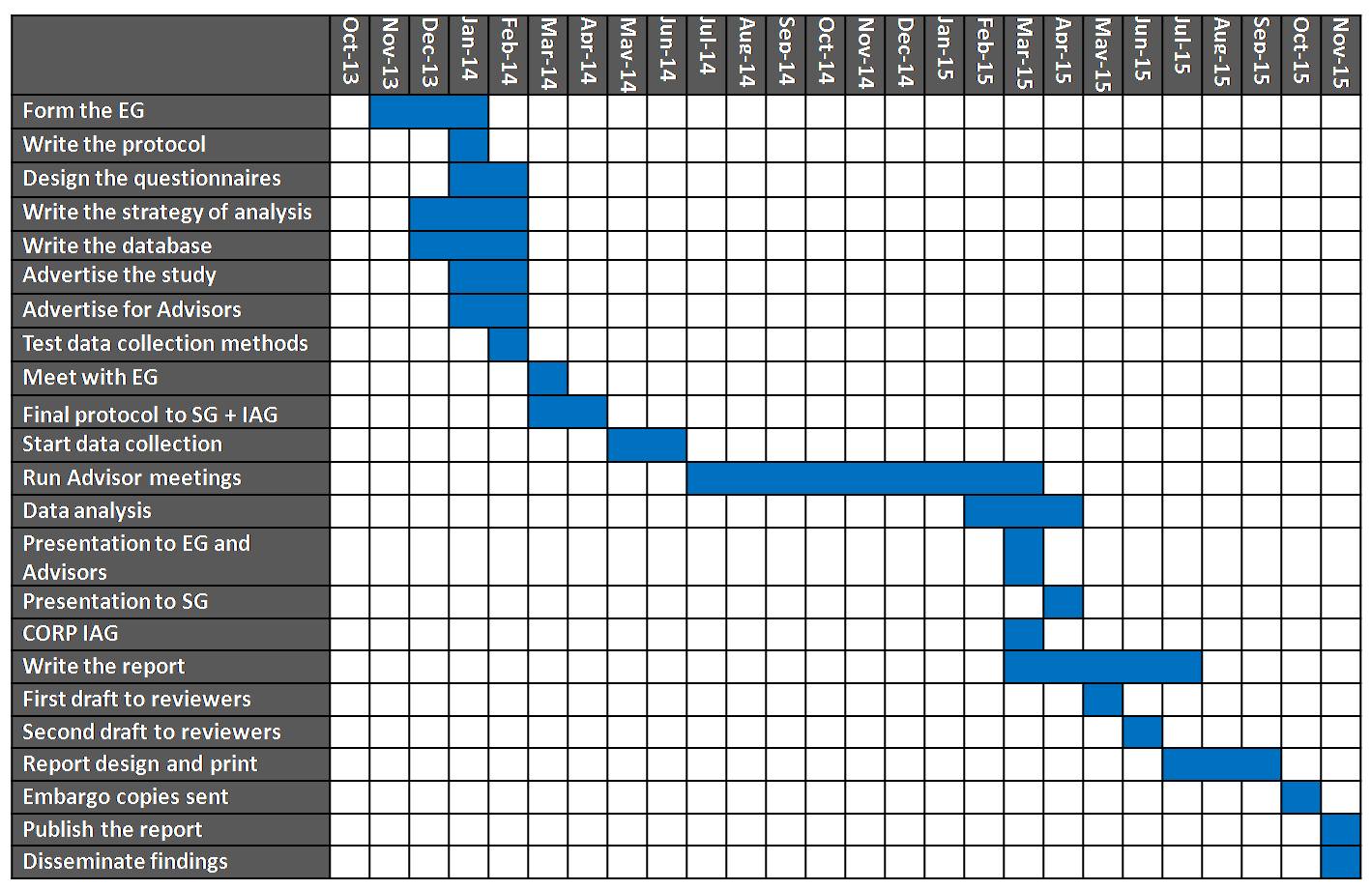
Time scale
This webpage is updated regularly, so please check back for more information shortly.
(Adobe Acrobat is required to veiw the pdfs above. The Adobe Acrobat reader is avaiable for free to download from here.)
(Microsoft PowerPoint viewer is required to view the presentation document above. This is avaiable for fre to download from here.)
Frequently Asked Questions
I would like to be a study contact - how do I get involved?
Send an email to sepsis@ncepod.org.uk and we can check if someone isn’t already set up at your Trust and inform your Local NCEPOD Reporter.